Selecting the right wood for children’s furniture isn’t just about aesthetics—it’s fundamentally about safety. Parents often overlook how material choices impact their little ones’ daily interactions with bedroom and playroom pieces. Different woods offer varying benefits: some provide natural pest resistance without chemicals, while others balance durability with weight considerations. The finish applied matters just as much as the wood itself, perhaps even more so. What makes certain woods better suited for the unique demands of children’s spaces? The answer might surprise veteran woodworkers and new parents alike.
Some of the links in this article may be affiliate links. If you make a purchase through these links, we may earn a small commission at no extra cost to you. Thank you.
Understanding Non-Toxic Finishes for Children’s Furniture
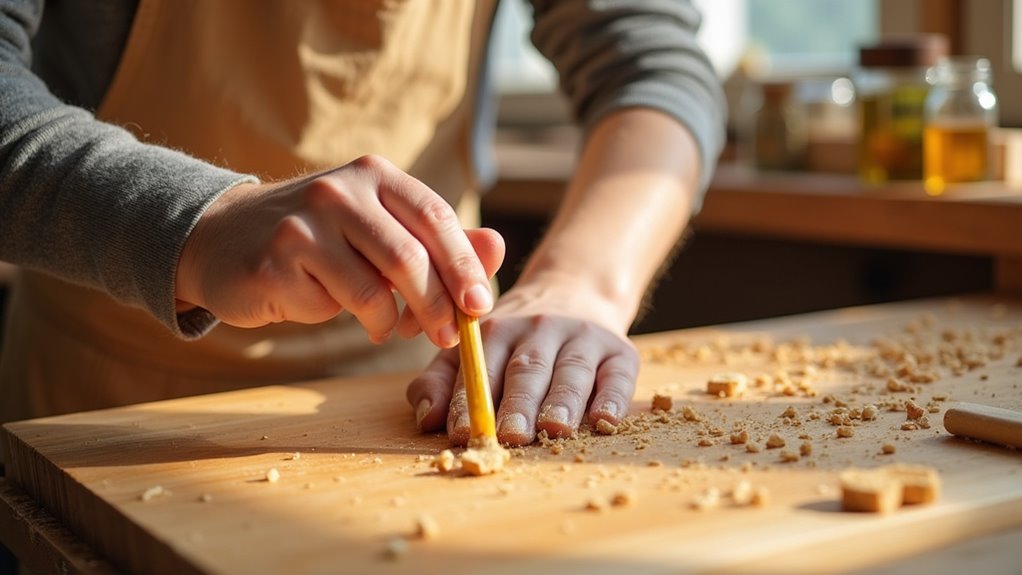
When it comes to children’s furniture, the finish applied to the wood is just as important as the wood itself—perhaps even more so.
Children interact with furniture surfaces constantly—touching, licking, and yes, occasionally chewing on them. This intimate contact makes non-toxic sealants absolutely essential.
The market now offers innovative water-based polyurethanes, natural oils, and beeswax finishes that protect wood while prioritizing children’s health.
These alternatives eliminate harmful VOCs and chemicals found in conventional finishes. I think the shift toward transparency in ingredient labeling represents a significant improvement, though manufacturers could perhaps go even further in educating consumers about what’s in their products.
Lightweight Woods for Easy Rearranging: Pine and Poplar
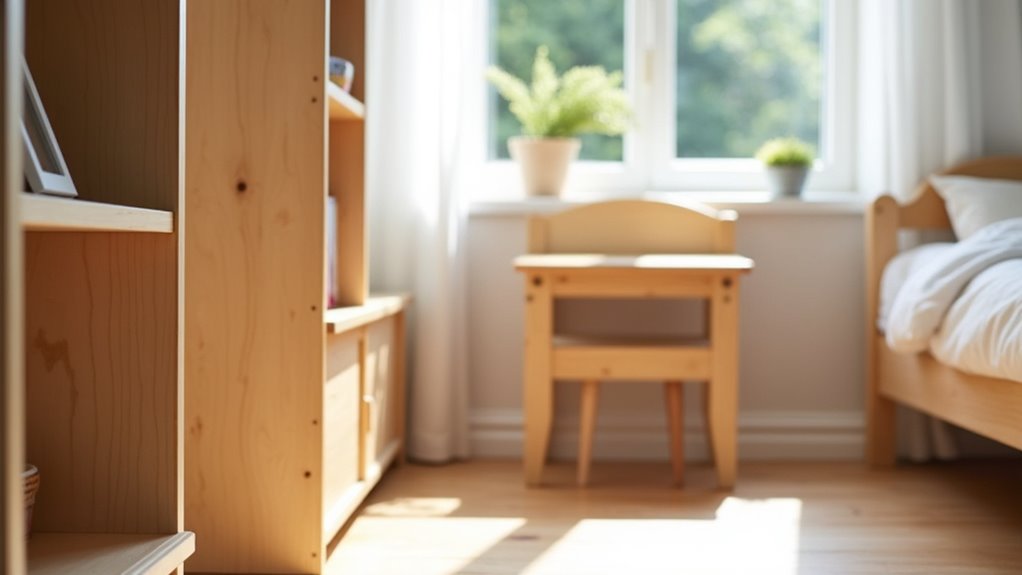
The lightweight nature of pine and poplar makes them ideal candidates for children’s furniture that parents might need to reorganize frequently. These woods offer excellent furniture adaptation possibilities without sacrificing durability. Parents can easily move pieces during playtime, cleaning, or when reconfiguring rooms—a practical advantage that shouldn’t be overlooked.
| Wood Type | Weight | Durability | Best Applications |
|---|---|---|---|
| Pine | Very Light | Moderate | Bookshelves, Toy Boxes |
| Poplar | Light | Good | Step Stools, Small Tables |
| Basswood | Very Light | Lower | Decorative Elements |
| Cedar | Medium-Light | High | Outdoor Play Items |
Perhaps the most innovative aspect of these lightweight mobility options is how they empower children to safely arrange their own spaces, fostering independence while reducing parent strain.
Durable Options for Long-Lasting Children’s Pieces
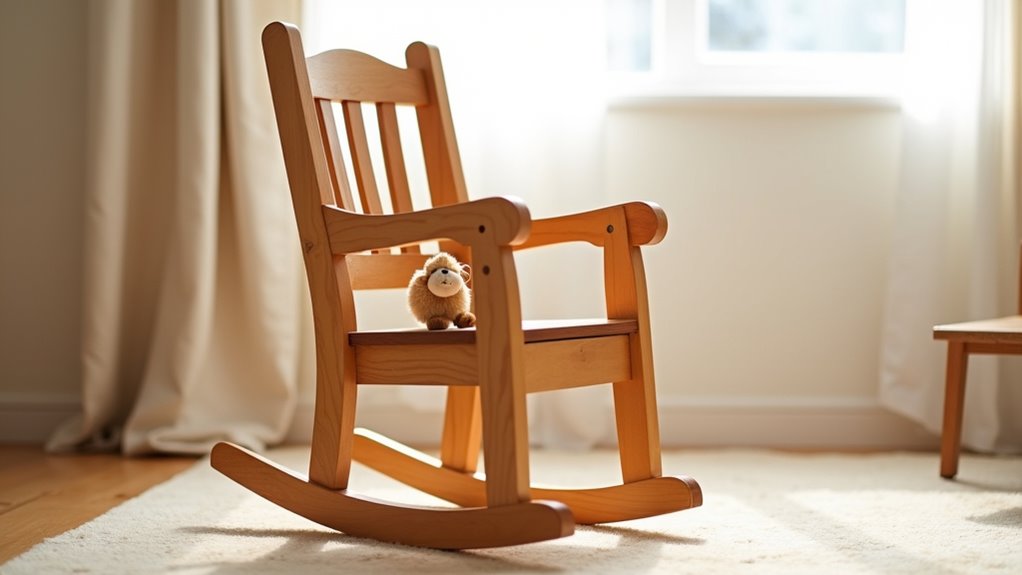
Parents seeking furniture that grows with their children should look beyond lightweight construction to hardier woods that withstand years of active use. Oak, maple, and beech offer exceptional durability while maintaining child-friendly features like rounded edges and non-toxic finishes.
When investing in long-lasting children’s furniture, consider:
- Sustainable sourcing practices that guarantee responsible forestry management
- Initial cost versus long-term value (perhaps higher quality woods justify greater upfront expense)
- Versatility of design that adapts to changing needs
Cost considerations shouldn’t deter families from exploring premium options like walnut, which might actually save money over time by eliminating the need for replacements.
I think the environmental benefits of quality, enduring pieces often outweigh disposable alternatives.
Natural Pest Resistance: Why Cedar Shines for Kids’ Rooms
Cedar stands out as a remarkable wood choice for children’s furniture due to its natural pest-resistant properties. This inherent quality means cedar pieces remain free from unwanted insects without requiring chemical treatments, perhaps one of its most underappreciated cedar benefits when designing kids’ spaces.
The wood contains natural oils that repel moths, termites, and other pests that might damage furniture. I think these pest resistance qualities make cedar particularly valuable for storage pieces like toy chests or bedroom furniture where items may sit undisturbed for periods.
The pleasant, distinctive aroma of cedar adds another layer of appeal while continuously working to protect the furniture and its contents.
Balancing Aesthetics and Safety in Premium Woods
While cedar offers practical benefits through its pest-resistant properties, premium hardwoods like walnut and cherry present a different consideration for children’s furniture. These woods balance sophisticated design trends with necessary safety features, perhaps making them ideal for spaces that evolve as children grow.
For modern parents seeking space optimization without sacrificing style, premium woods offer:
- Longevity – higher-quality woods generally withstand years of use
- Versatility – their neutral yet rich tones complement evolving room designs
- Investment value – well-crafted pieces often retain worth over time
The subtle warmth of cherry or the deep elegance of walnut creates furniture that feels special yet remains thoroughly practical for daily use.
Rounded Edges and Smart Joinery Techniques
Safety considerations in children’s furniture extend far beyond material selection, with rounded edges and thoughtful joinery techniques forming the foundation of injury prevention. Perhaps the most significant design element, rounded edges eliminate sharp corners that could cause injury during active play. Smart joinery methods like dowels and mortise-and-tenon connections create structurally sound pieces without exposed hardware.
| Wood Type | Edge Treatment | Joinery Technique |
|---|---|---|
| Pine | Gentle curves | Simple butt joints |
| Maple | Full radius | Dowel reinforcement |
| Cherry | Bullnose | Hidden fasteners |
| Oak | Chamfered | Mortise-and-tenon |
| Walnut | Soft bevels | Finger joints |
I think manufacturers are increasingly adopting these safety-focused techniques while maintaining aesthetic appeal, resulting in furniture that’s both beautiful and child-friendly.
How Wood Type Affects Your Child’s Play Environment
The type of wood chosen for a child’s furniture dramatically influences not only the aesthetic quality of their play environment but also shapes how they interact with their surroundings.
Different wood types create unique sensory experiences that can stimulate a child’s development in subtle ways.
When selecting materials for children’s spaces, consider:
- Texture variation – Smoother woods like maple encourage different play interaction than oak’s pronounced grain.
- Weight and stability – Heavier woods provide security while lighter options allow for rearrangement.
- Natural warmth – Cherry and walnut create cozy environments, perhaps enhancing creative play.
The interplay between wood types and children’s behavior is fascinating, I think.
Kids often respond intuitively to authentic materials in ways plastic alternatives simply can’t match.
Frequently Asked Questions
How Do Different Woods Respond to Children’s Artwork and Stains?
Denser woods like maple and oak offer superior stain resistance. Properly applied wood finishes create protective barriers against children’s artistic endeavors while maintaining the natural beauty of wooden surfaces.
Can Wood Furniture Trigger Allergies in Sensitive Children?
Like silent culprits, certain woods can trigger allergies in sensitive children. Cedar and walnut pose higher risks, while maple, birch, and poplar are typically safer options for those with wood allergies.
At What Age Should I Transition From Plastic to Wooden Furniture?
The change timeline from plastic to wooden furniture often occurs between ages 2-4, when children develop more stable coordination. This progressive shift optimizes furniture durability while accommodating developmental milestones.
How Does Humidity Affect Different Wood Types in Kids’ Rooms?
Humidity causes moisture levels to affect woods differently. Pine and poplar expand considerably, while maple, cherry, and walnut resist wood expansion better when bedroom environmental conditions fluctuate seasonally.
Are Certain Woods Better for Special Needs Children?
Smooth hardwoods like maple, birch, and ash excel for adaptive furniture designed for special needs children. These eco-friendly materials resist splintering, provide stability, and can be crafted with specialized ergonomic features.
Conclusion
While makers carefully select the finest woods for children’s safety, ironically, the most durable furniture often outlasts a child’s fleeting interests. Today’s meticulously crafted maple desk becomes tomorrow’s ignored heirloom. Perhaps the real magic isn’t in the toxin-free finishes or rounded edges, but in finding woods that balance safety with the inevitability that kids will eventually prefer plastic anyway—despite parents’ best wooden intentions.