You’ll want to weigh Bona Mega Wood Floor Finish for its crystal-clear durability and resistance to yellowing, though it’s pricier than alternatives. General Finishes High Performance offers quick dry times perfect for high-traffic areas, while RUST-OLEUM Varathane excels in high-gloss applications. I think Minwax provides solid budget-friendly options, perhaps sacrificing some longevity. Water-based finishes dry faster and have lower odors than oil-based, but they might require additional coats. Understanding your specific traffic patterns and sheen preferences will guide your final selection.
Some of the links in this article may be affiliate links. If you make a purchase through these links, we may earn a small commission at no extra cost to you. Thank you.
Best Overall Water-Based Polyurethane Products
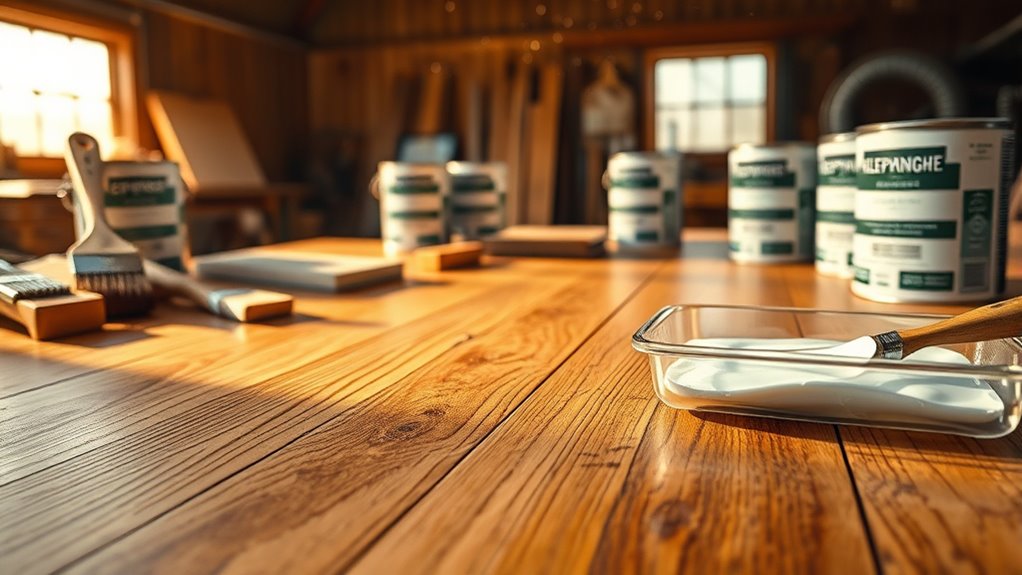
When you’re standing in the flooring aisle staring at dozens of polyurethane options, the choice can feel overwhelming – but honestly, a few products consistently rise above the rest.
Bona Mega Wood Floor Finish takes the crown for most situations. It’s crystal clear, incredibly durable, and handles busy areas without breaking a sweat.
Perhaps what I appreciate most is how it doesn’t yellow over time.
For budget-conscious projects, Bona Floor-Cleaners offers impressive coverage with low VOCs.
General Finishes High Performance shines in high-traffic areas with its quick dry time, though it’s slightly pricier than expected.
Advantages and Disadvantages of Water-Based Finishes
The debate between water-based and oil-based polyurethanes has shifted dramatically over the past decade – and honestly, water-based options have closed most of the performance gaps that once made them seem like the weaker choice.
You’ll love the fast drying times – we’re talking two hours versus overnight. The low odor makes application so much more pleasant, and you won’t deal with that yellowing issue that plagues oil-based finishes.
But here’s what might frustrate you: they’re pricier, and perhaps less forgiving with stains.
You’ll probably need more coats too, which somewhat negates that quick-dry advantage.
Key Factors for Selecting the Right Polyurethane
Before diving into specific products, you’ll want to nail down exactly what your floors need to handle day-to-day.
Traffic patterns matter most—kitchens and entryways demand heavy-duty formulas, while bedrooms can get by with lighter protection.
Your sheen preference affects everything from maintenance to appearance. I think satin strikes the best balance, though perhaps that’s just personal taste.
High-gloss looks stunning but shows every footprint.
Budget plays a role too, obviously. Minwax offers solid affordable options, while Bona costs more but delivers exceptional durability.
Check those VOC levels if you’re sensitive to fumes—some products vary considerably there.
Performance Comparisons and Specifications
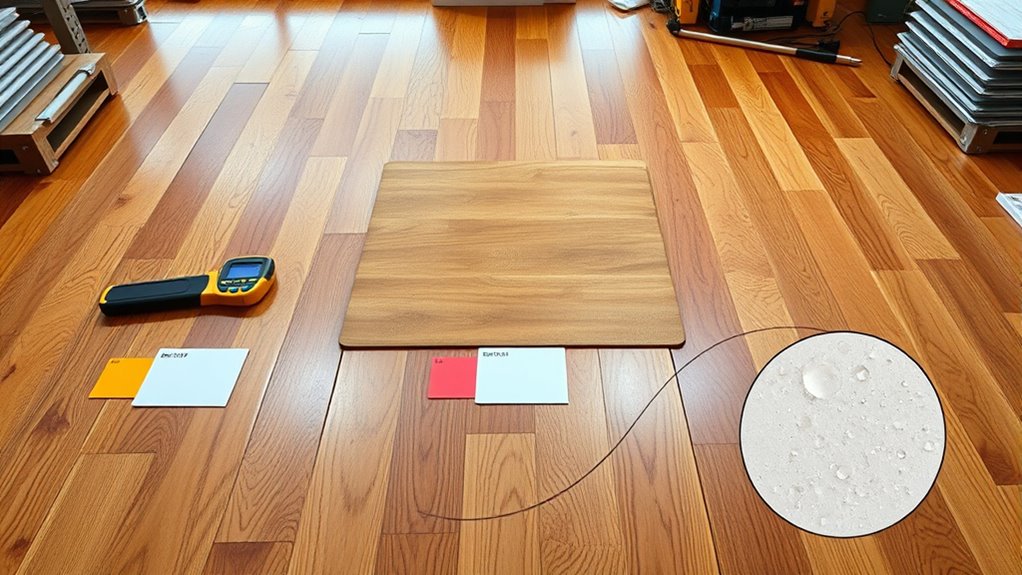
Now that you’ve narrowed down your priorities, let’s look at how these products actually stack up against each other.
Most water-based polyurethanes last about 3-5 years, which honestly surprised me at first. Bona Floor-Cleaners lead with the lowest VOCs at 150 g/L, while General Finishes ranges from 170-173 g/L.
Drying times are where things get interesting. General Finishes and Minwax both dry in roughly an hour, though I think actual conditions matter more than advertised times.
RUST-OLEUM Varathane excels for high-gloss clarity, perhaps making it worth the extra cost for certain applications.
Specialized Applications and Use Cases
While most people think about polyurethane as a one-size-fits-all solution, different rooms and situations really do call for specific approaches.
You’ll find that what works perfectly in a bedroom might struggle in your kitchen or entryway.
Here’s where you’ll want specialized formulas:
- High-traffic zones – Kitchens and hallways need heavy-duty protection that can handle constant foot traffic and spills
- Sunny rooms – South-facing spaces require UV-resistant formulas to prevent fading and deterioration
- Light woods – Maple and birch benefit from non-yellowing finishes that maintain their natural appearance
Perhaps the trickiest part is matching your specific needs with the right product.
Maintenance and Long-Term Care Tips
After you’ve applied that perfect water-based polyurethane finish, the real work begins—though honestly, it’s not as demanding as you might think.
Regular sweeping prevents dirt from scratching the surface, and you can safely mop with gentle cleaners. I’d say recoating every 3-5 years keeps things looking fresh.
Perhaps the biggest advantage? These finishes resist yellowing, so your floors maintain their original color longer.
You might notice some wear patterns developing in high-traffic areas first—that’s completely normal. When scratches do appear, spot repairs are usually straightforward, though sometimes you’ll need professional help for deeper damage.
Frequently Asked Questions
Can I Apply Water-Based Polyurethane Over Existing Oil-Based Finishes?
You can’t apply water-based polyurethane directly over oil-based finishes because they won’t adhere properly. You’ll need to sand the existing finish first or use a bonding primer designed for this specific application.
What Temperature and Humidity Levels Are Ideal for Application?
Like Goldilocks seeking perfection, you’ll want temperatures between 65-75°F with humidity levels at 30-50%. Too hot or humid creates bubbles and slow drying; too cold prevents proper curing and adhesion.
How Long Should I Wait Before Moving Furniture Back?
You should wait 24-48 hours before moving light furniture back onto water-based polyurethane floors. For heavy furniture, wait at least 72 hours to guarantee the finish has fully cured and hardened properly.
Do I Need to Prime Bare Wood Before Applying Polyurethane?
Bare wood drinks polyurethane like a desert drinks rain! You don’t need primer, but you’ll likely require extra coats since the wood absorbs the first application, raising grain and reducing coverage.
Can Water-Based Polyurethane Be Tinted or Mixed With Stain?
You can’t typically mix water-based polyurethane with stain since they’re different formulations. Instead, you’ll need to apply stain first, let it dry completely, then apply the polyurethane finish over it.