Homeowners often wonder if spruce is truly suitable for their outdoor projects. The reality isn’t straightforward. Spruce wood offers an appealing aesthetic with its light color and straight grain pattern, yet its natural properties present challenges in exterior settings. Many DIY enthusiasts are drawn to its affordability and availability, perhaps overlooking its vulnerabilities to moisture and insect damage. Without proper treatment, spruce might disappoint expectations—though with the right preparations, it can certainly serve specific outdoor purposes. The question becomes not if spruce works outdoors, but rather where and how.
Some of the links in this article may be affiliate links. If you make a purchase through these links, we may earn a small commission at no extra cost to you. Thank you.
Understanding Spruce Wood’s Natural Properties
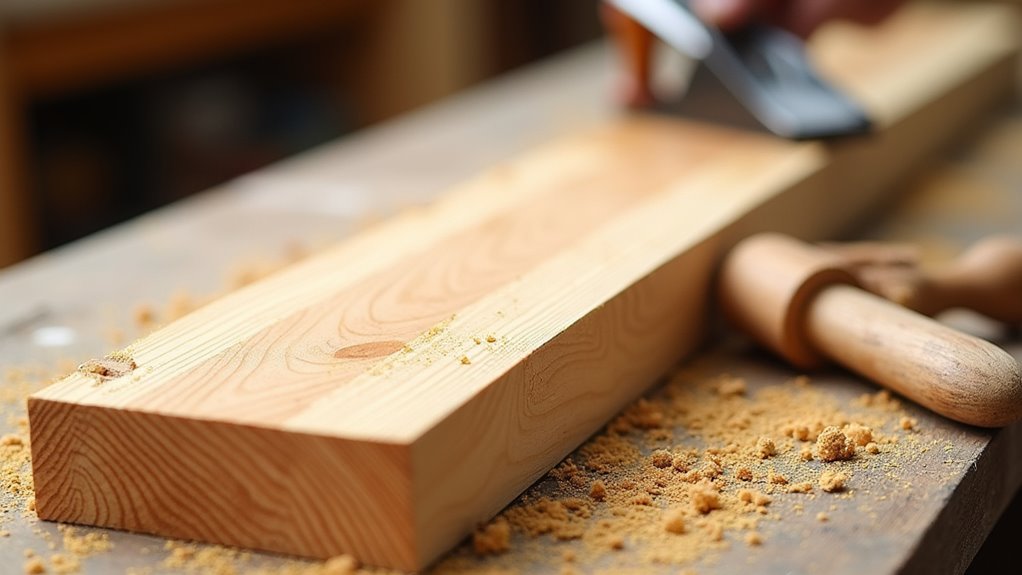
Spruce wood, with its distinctive pale color and straight grain, carries inherent characteristics that greatly impact its performance in different applications.
Its composition reveals a relatively soft nature compared to hardwoods, making it light and easy to work with, but perhaps less resilient outdoors.
The most significant limitation in spruce’s outdoor potential lies in its moisture absorption tendencies. Unlike naturally resistant woods like cedar, spruce readily drinks in environmental moisture, leading to swelling, warping, and eventually decay.
This hygroscopic quality—while beneficial for some indoor applications where humidity regulation matters—becomes its greatest vulnerability when faced with rain, snow, or persistent humidity.
The Truth About Spruce Wood in Outdoor Settings

When homeowners consider wood options for their decks, fences, or garden structures, the truth about spruce’s outdoor performance deserves an honest examination.
Despite its attractive appearance and affordability, spruce simply isn’t naturally equipped for the outdoors.
Spruce’s beauty and budget-friendly price tag can’t compensate for its fundamental unsuitability in outdoor environments.
The reality is that spruce weathering effects can be dramatic without proper treatment. The wood quickly absorbs moisture, leading to warping, splitting, and fungal growth.
Perhaps most concerning is its poor resistance to insects and decay.
Effective spruce maintenance tips include rigorous sealing, regular refinishing (think annually), and constant vigilance for signs of deterioration.
Is all this effort worth it? For most outdoor applications, probably not.
Comparing Spruce to Other Outdoor Woods

While comparing different woods for outdoor projects, it becomes clear that spruce falls remarkably short against its popular alternatives like cedar, redwood, and pressure-treated pine.
Despite its versatility indoors, spruce lacks the natural resilience needed to withstand harsh elements without significant intervention.
In the spruce-pine comparison, pine emerges as the more practical choice, offering superior durability and weather resistance at a similar price point.
Pine also accepts finishes more readily, perhaps making the maintenance regimen less demanding over time.
For innovation-minded builders, spruce might still find niche outdoor applications, but only when properly treated and in semi-protected environments.
I think its limitations ultimately restrict its widespread adoption.
Essential Treatments for Outdoor Spruce Applications
Transforming raw spruce into a weather-resistant building material requires diligent preparation and protective applications. The process begins with thorough cleaning and sanding with 220-grit sandpaper, followed by wood conditioner application to guarantee even absorption.
Perhaps the most essential aspect involves finishing techniques that seal spruce against moisture intrusion. A quality stain enhances appearance while providing initial protection, but the final sealing coat truly determines longevity. Waterproofing sealers or marine-grade polyurethane offer superior results.
Moisture resistance in spruce depends primarily on quality sealing applications, not just staining.
Effective maintenance strategies include bi-annual inspections and reapplication of protective coatings as needed.
I think regular attention to these treatments can extend spruce’s outdoor lifespan from mere months to over a decade.
Step-by-Step Guide to Preparing Spruce for Exterior Use
Proper preparation makes all the difference when using spruce outdoors. This softwood, while not naturally resilient, can perform admirably when treated correctly.
Begin by thoroughly sanding the surface with 220-grit sandpaper, working with the grain to create a receptive canvas for treatments.
Perhaps the most essential aspect of spruce care is applying a quality wood conditioner before staining. This prevents the blotchy appearance that can make outdoor projects look amateurish.
Follow with two coats of stain, allowing proper drying time between applications.
Wood preservation ultimately hinges on sealing—polyurethane or marine-grade varnish offers innovative protection against moisture intrusion, extending your spruce project’s lifespan considerably.
Realistic Lifespan Expectations for Outdoor Spruce Projects
The natural lifespan of outdoor spruce projects depends heavily on treatment quality and maintenance frequency. When properly sealed and regularly maintained, spruce structures can survive 10-15 years outdoors. Without treatment, expect just 2-3 months before deterioration begins.
Several lifespan factors impact durability, including exposure levels, climate conditions, and treatment thoroughness. Projects in harsh environments require more frequent maintenance—perhaps every 1-2 years—while protected structures might need attention only every 3-5 years.
I think realistic expectations are essential for project planning. The commitment to maintenance frequency ultimately determines whether spruce becomes a disappointing choice or a surprisingly durable outdoor solution.
Best Outdoor Projects for Treated Spruce Wood
Despite its limitations, treated spruce wood can be remarkably effective for several outdoor projects where its strengths truly shine.
Its lightweight nature and excellent strength-to-weight ratio make it perfect for garden structures like trellises, raised beds, and small pergolas that don’t bear heavy loads.
For furniture projects, spruce works surprisingly well for seasonal patio items—perhaps Adirondack chairs or picnic tables that can be stored during harsh weather.
I think its uniform texture provides an attractive canvas for staining, though it requires diligent sealing and maintenance.
Honestly, smaller projects like planters or bird feeders might be where treated spruce truly excels.
Frequently Asked Questions
Can Spruce Wood Be Safely Used for Outdoor Children’s Play Equipment?
Spruce wood requires extensive treatment for outdoor play equipment. Regular maintenance with proper sealants guarantees child safety, though alternative woods offer superior durability with less upkeep for innovative playground designs.
How Does Altitude Affect Outdoor Spruce Wood Durability?
Like a mountain climber facing thinner air, spruce wood at higher altitudes experiences accelerated deterioration. Higher elevation’s increased UV exposure and extreme temperature fluctuations greatly reduce wood longevity compared to lower-altitude installations.
Does Staining Spruce Affect Its Ability to Absorb Protective Treatments?
Staining spruce changes its stain absorption characteristics, potentially limiting subsequent protective treatment penetration. However, modern multi-functional stains simultaneously color and seal the wood for enhanced outdoor performance.
Can Pressure-Treated Spruce Be Recycled After Its Outdoor Life?
Though chemical treatments pose sustainability concerns, pressure-treated spruce can be recycled through specialized recycling methods, offering innovative repurposing options while requiring careful handling of potentially hazardous preservatives.
Is Spruce Suitable for Coastal Environments With Salt Air?
Spruce performs poorly in coastal settings due to insufficient salt resistance. Its vulnerability to marine exposure accelerates deterioration, requiring extensive protective treatments to withstand corrosive oceanfront conditions—making it suboptimal for innovative coastal applications.
Conclusion
Spruce, while perhaps not nature’s most resilient offering, can still find its place under the open sky with appropriate care. Its journey outdoors may be marked by some challenges—a tendency to “rest peacefully” sooner than its hardwood cousins—but with diligent protection, this economical timber can serve admirably in certain exterior applications. For the budget-conscious homeowner, treated spruce might just be that imperfect yet charming companion for less demanding outdoor endeavors.