Could it be that cedar’s reputation as the best outdoor wood is actually deserved? You’ve probably noticed those gorgeous cedar decks that seem to look great year after year while other woods rot away. The natural oils in cedar do make it incredibly resistant to insects and moisture, but there’s more to evaluate before you commit to this popular choice.
Some of the links in this article may be affiliate links. If you make a purchase through these links, we may earn a small commission at no extra cost to you. Thank you.
Natural Properties That Make Cedar Excel Outdoors
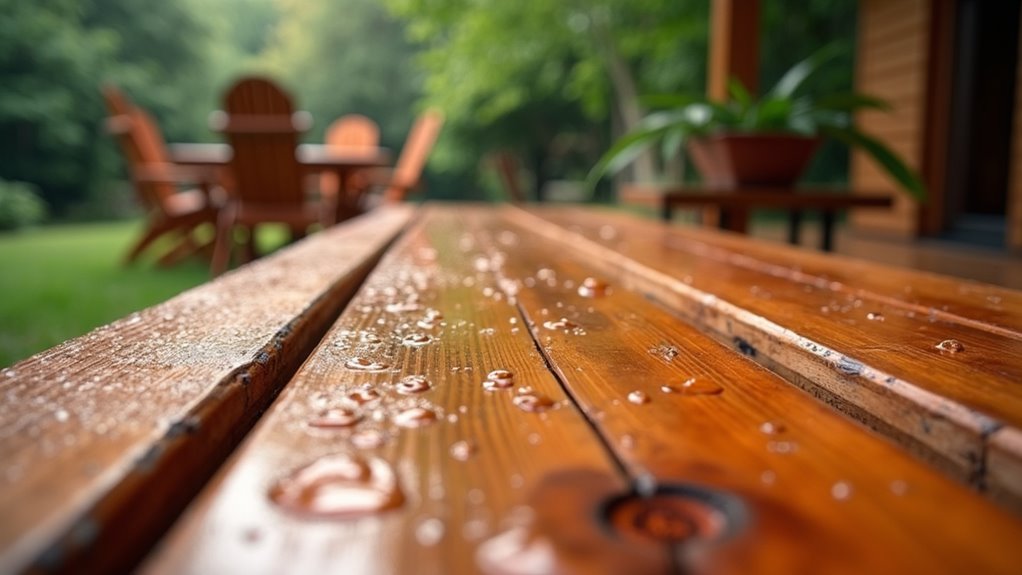
Because of its remarkable natural properties, cedar stands out as one of the most reliable woods for outdoor use. Its tight grain structure provides exceptional moisture resistance, allowing it to withstand rain, snow, and humidity without warping or rotting.
These aren’t just pleasant for us—they actually repel insects and prevent decay!
The wood’s built-in air pockets also provide natural insulation, which means your outdoor projects stay cooler in summer and warmer in winter.
Perhaps most impressive is cedar’s ability to last decades outdoors with minimal intervention.
Popular Outdoor Applications for Cedar Wood
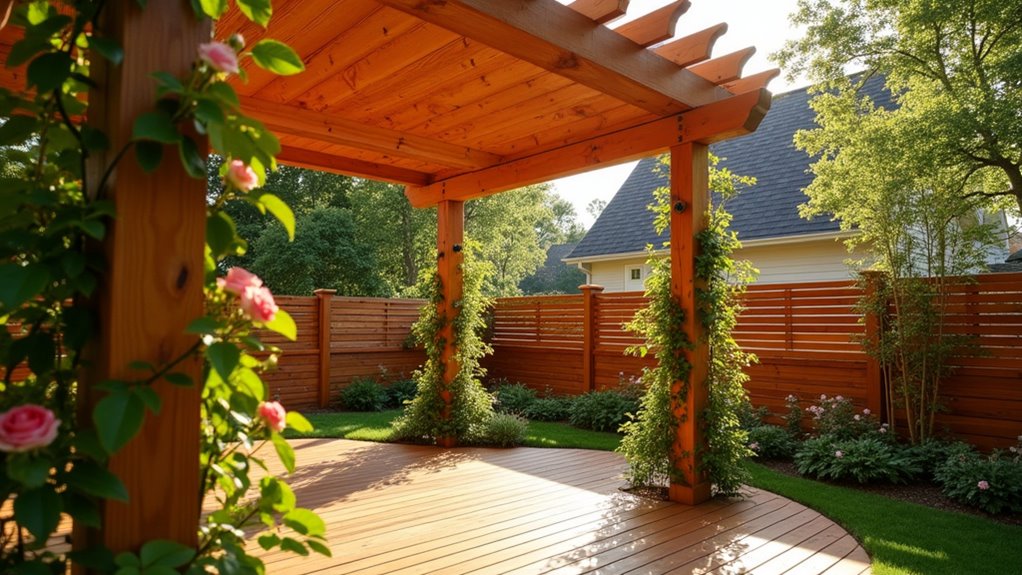
Cedar’s natural properties don’t just make it durable—they make it incredibly versatile for countless outdoor projects. You’ll find it’s perfect for everything from decks and fences to more innovative applications in furniture design.
Cedar delivers nature’s durability in every form—from standard decks to cutting-edge furniture designs that withstand the elements beautifully.
We think cedar’s warm tones and natural resistance to moisture make it particularly well-suited for garden structures like pergolas and gazebos.
Perhaps what’s most exciting is how cedar lets you blend functionality with aesthetics. Whether you’re crafting a simple bench or an elaborate outdoor kitchen, cedar adapts to your vision while maintaining its integrity against the elements.
Its workability means you’re not limited by complex designs.
Weighing the Pros and Cons of Cedar
The decision to use cedar for your outdoor projects comes with significant tradeoffs worth careful consideration.
While cedar durability is legendary—often lasting decades with proper care—you’ll need to balance this against the maintenance requirements.
We think cedar aesthetics are unmatched, with that warm, rich grain that perhaps transforms ordinary spaces into stunning outdoor retreats.
- Feels like an investment in your property’s character and value
- Creates a natural sanctuary that connects you to the environment
- Delivers a nostalgic aroma that triggers memories of forests and cabins
- Offers guilt-free sustainability compared to synthetic alternatives
Essential Maintenance Practices for Cedar Longevity
While cedar’s natural resilience makes it a champion among outdoor woods, maintaining its beauty requires consistent attention throughout its lifetime. We think most cedar owners underestimate how simple but important regular cleaning really is.
| Maintenance Task | Frequency | Season | Products |
|---|---|---|---|
| General cleaning | Bi-annual | Spring/Fall | Mild soap solution |
| Deep cleaning | Annual | Spring | Cedar-specific cleaner |
| Preventative treatments | 1-2 years | Warm days | Oil-based sealants |
| Damage inspection | Quarterly | Any | None needed |
Effective Finishing Techniques to Protect Cedar
Finishing your cedar properly represents three critical steps between a gorgeous outdoor project and a weathered disappointment that you’ll regret in a year or two.
The right finishing products and application methods can dramatically extend your cedar’s life while preserving its natural beauty.
When preparing to finish cedar, we think cleanliness matters more than most realize.
Sand thoroughly before applying any treatments.
- Feel the satisfaction of applying that first coat of sealant, knowing you’re protecting your investment
- Experience the peace of mind that comes with weather-proofed cedar that won’t crack or split
- Enjoy the admiration from neighbors when your cedar stays vibrant while theirs fades
- Imagine the pride of creating an heirloom-quality outdoor space that lasts for decades
How Weather Affects Cedar and Ways to Combat It
Weather impacts your beautiful cedar more than you might think, transforming this remarkable wood through seasons and years.
Summer sun can cause splitting while winter’s harsh freeze-thaw cycles create stress on the wood fibers. We believe moisture management is perhaps your most vital consideration.
Proper moisture control remains your cedar’s lifeline, as seasonal extremes silently test its durability.
To enhance weather resilience, consider applying UV-blocking finishes before exposure to harsh elements.
Some homeowners find that quarterly inspections help catch minor issues before they become major problems.
Remember that proper drainage around cedar structures is essential—water pooling at the base accelerates deterioration faster than almost anything else.
Comparing Cedar to Other Outdoor Woods
Choosing between outdoor woods often involves weighing multiple factors that affect both performance and aesthetics.
When comparing cedar to other wood alternatives, you’ll notice cedar’s natural resistance to decay often outperforms pressure-treated pine, though perhaps not as long-lasting as exotic options like ipe. We think cedar’s lightweight nature makes installation easier than denser woods, giving you more flexibility in your projects.
- Feel the warmth of cedar’s rich, honeyed tones against modern composites’ artificial uniformity
- Experience the satisfaction of working with a wood that doesn’t fight your tools
- Embrace the subtle, earthy aroma that no synthetic alternative can replicate
- Connect with tradition while still innovating in your outdoor space
Frequently Asked Questions
Is Cedar Safe for Use Around Vegetable Gardens?
Yes, you’ll find cedar safe for vegetable gardens. It presents no toxicity concerns and won’t impact vegetable growth negatively. You can confidently use this innovative material for garden beds.
How Does Cedar Perform in Saltwater Environments?
You’ll find cedar performs well in saltwater environments due to its natural durability. However, you’ll need to increase maintenance frequency as salt accelerates weathering. Regular sealing protects your innovative coastal installations.
Can Cedar Be Used for Hot Tub Surrounds?
Yes, you can use cedar for hot tub surrounds. Its natural resistance to moisture guarantees hot tub durability, though you’ll need regular cedar maintenance to prevent weathering from constant exposure to water.
Does Cedar Attract Any Beneficial Insects or Wildlife?
Wonderfully enough, cedar doesn’t attract beneficial insects. Its aromatic properties actually repel most insects, though your weathered cedar structures can provide wildlife habitat for small creatures seeking shelter.
What Is the Carbon Footprint of Cedar Compared to Alternatives?
Cedar has positive carbon sequestration benefits compared to alternatives like plastic or metal. You’ll appreciate its environmental sustainability factors, including renewable sourcing and lower processing emissions during its lifecycle.
Conclusion
You’ve seen how cedar’s natural resilience makes it a standout choice for your outdoor projects. Like a trusted friend that weathers storms alongside you, cedar will stand the test of time if you give it the care it deserves. Whether you’re building a deck that’ll host countless summer barbecues or a fence to define your sanctuary, cedar’s beauty and durability are truly worth the investment.
Related guides: Ultimate Guide to Safeguarding Outdoor Wood Furniture · Ultimate Guide to Deck Wood Repair · Birch Wood: Outdoor Potential Uncovered