You’ll face a trade-off between durability and aesthetics when choosing polyurethane finishes. Oil-based poly offers superior chemical resistance and forgives application mistakes, but it emits high VOCs and adds an amber tint that darkens over time. Water-based poly dries faster, stays crystal clear, and creates safer indoor air quality, though it costs 20-30% more and demands precise application technique. Perhaps the deciding factor is your wood type and timeline expectations. The complete comparison reveals several essential details you haven’t considered yet.
Some of the links in this article may be affiliate links. If you make a purchase through these links, we may earn a small commission at no extra cost to you. Thank you.
Composition and Visual Impact on Wood
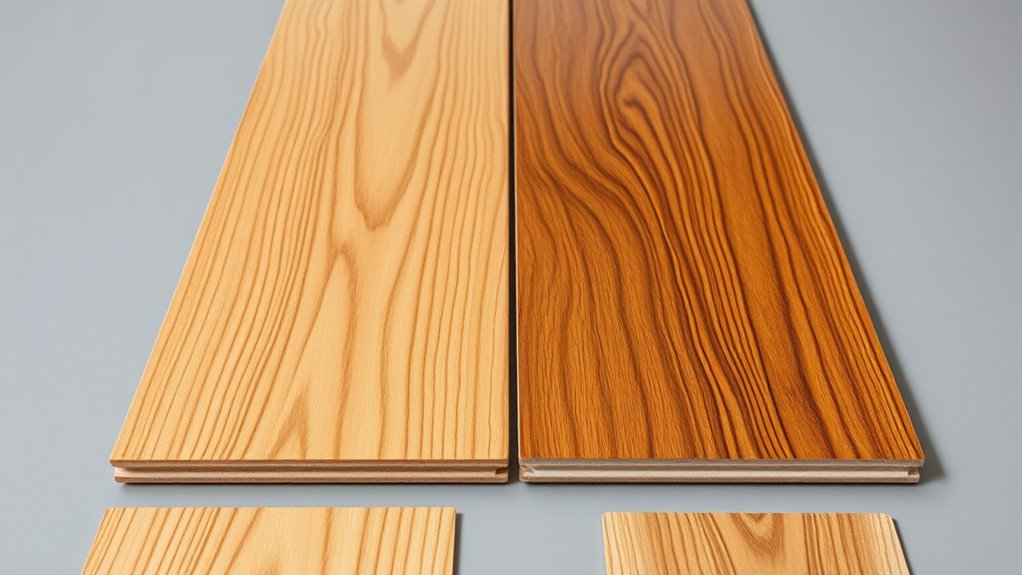
The fundamental difference between these two finishes starts with what they’re actually made of, and honestly, it’s more significant than you might initially think.
Water-based polyurethane uses water as its primary solvent, which keeps it crystal clear—though it looks milky when wet, which can be a bit unnerving at first.
Oil-based poly relies on petroleum or mineral solvents, giving it that characteristic brownish tint.
Over time, it darkens further, adding an amber warmth that enhances wood’s natural color. If you’re working with light woods, this difference becomes pretty dramatic in the final appearance.
Durability and Chemical Resistance Comparison
When you’re investing time and money in a floor finish, durability becomes the make-or-break factor—and honestly, this is where things get a bit more nuanced than the marketing materials might suggest.
Oil-based polyurethane has traditionally held the crown for toughness. It’s more chemically resistant, which matters if you’re dealing with spills or harsh cleaning products. The higher VOC content actually contributes to its durability—ironic, considering that’s also what makes it less appealing health-wise.
Water-based formulations have caught up remarkably though. Modern versions can last a decade too, perhaps matching oil-based longevity in many situations.
Both resist water and scratches effectively.
Health and Safety Considerations
Oil-based polyurethane releases high levels of VOCs that can seriously impact your indoor air quality. We think most people underestimate how potent those fumes really are.
You’ll need serious ventilation, and honestly, it’s not advisable around children or pets at all.
Water-based poly is much safer—significantly fewer VOCs and way less toxic during application. The difference is pretty dramatic, perhaps making it worth the extra cost.
Application Techniques and Skill Requirements
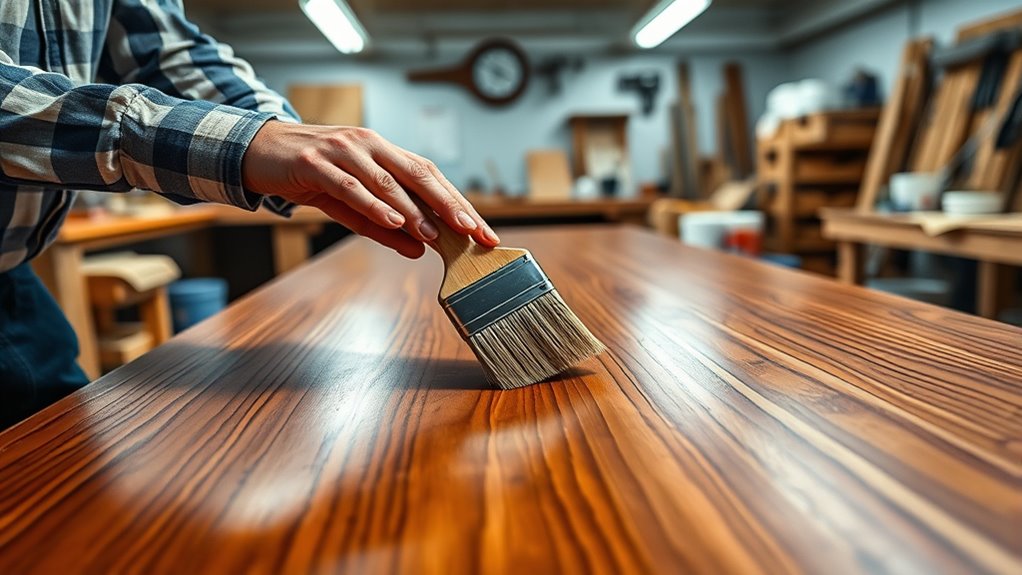
Once you’ve decided which type of polyurethane to use, the actual application process requires different techniques and—honestly—varying levels of skill that might surprise you.
Water-based poly demands more finesse than you’d expect. It dries so quickly that mistakes become permanent fast, leaving little room for corrections.
You’ll need synthetic brushes or rollers, and perhaps most importantly, confidence in your technique.
Oil-based polyurethane is generally more forgiving. Its slower drying time gives you breathing room to fix streaks or missed spots.
You can use natural bristle brushes, rollers, or even try the wipe-on method for smaller projects—which we think feels less intimidating for beginners.
Drying and Curing Timeframes
After you’ve applied your polyurethane, the waiting game begins—and honestly, this is where the two types really show their differences.
Water-based poly dries surprisingly fast—you’re looking at 4 to 6 hours between coats, which means you can actually finish a project in a weekend.
Weekend warriors love water-based poly—dry in hours, not days, so you can actually finish that project.
Oil-based polyurethane? Well, that’s a different story. You’ll wait 12 to 24 hours between coats, sometimes longer if it’s humid.
Here’s the thing though—drying and full curing are completely different. Water-based finishes cure in about 21 days, while oil-based takes roughly 30 days to reach maximum hardness.
Cost Analysis and Best Use Cases
Since budget often drives our decision-making more than we’d like to admit, let’s talk numbers.
Water-based polyurethane typically costs 20-30% more upfront, which can sting on larger projects. However, you might save on labor since it dries faster.
Oil-based poly wins the budget battle initially, but perhaps the real consideration is your specific situation.
If you’re finishing light oak floors where color matters, water-based makes sense despite the cost. For budget-conscious woodworking projects or darker woods that benefit from amber tones, oil-based delivers solid value.
The “best” choice really depends on your timeline, budget, and desired appearance.
Frequently Asked Questions
Can I Apply Water-Based Polyurethane Over an Existing Oil-Based Finish?
You can’t directly apply water-based polyurethane over oil-based finish. You’ll need to sand the existing surface thoroughly or use a bonding agent first, as the different chemistries won’t adhere properly otherwise.
How Do I Properly Dispose of Leftover Polyurethane and Used Brushes?
You’ll hear disposal’s just trash, but that’s wrong—polyurethane’s hazardous waste. Take leftover finish to designated collection centers. For brushes, clean thoroughly with appropriate solvent, then dispose of contaminated materials at hazardous waste facilities.
What Happens if I Accidentally Mix Water-Based and Oil-Based Polyurethane Products?
Mixing water-based and oil-based polyurethane creates adhesion problems since they’re incompatible chemicals. You’ll get poor bonding, peeling, and an uneven finish that won’t cure properly, ruining your project completely.
How Do Temperature and Humidity Affect Polyurethane Application and Drying?
Temperature and humidity greatly impact your polyurethane application. High humidity slows drying times and can cause cloudiness, while low temperatures extend curing. You’ll get best results applying between 65-75°F with 30-50% humidity levels.
Can Polyurethane Be Applied to Surfaces Other Than Hardwood Floors?
You can apply polyurethane to various wood surfaces beyond hardwood floors, including furniture, cabinets, trim, doors, and wooden crafts. Both water-based and oil-based types work effectively on these different wood projects.
Related guides: Polycrylic and Polyurethane: The Ultimate Showdown · Can You Put Water-Based Polyurethane Over Oil-Based Polyurethane · Top Picks for Water-Based Floor Polyurethane