When you’re choosing between polycrylic and polyurethane, it really comes down to your project’s needs. Polycrylic is water-based with minimal odor and works great for indoor furniture, though it’s perhaps less durable. Polyurethane, especially oil-based varieties, offers superior protection for high-traffic areas like floors and outdoor projects, but the fumes can be overwhelming. We think polycrylic wins for ease of use, while polyurethane takes durability. Understanding their specific applications will help you make the right choice.
Some of the links in this article may be affiliate links. If you make a purchase through these links, we may earn a small commission at no extra cost to you. Thank you.
What Are Polycrylic and Polyurethane?
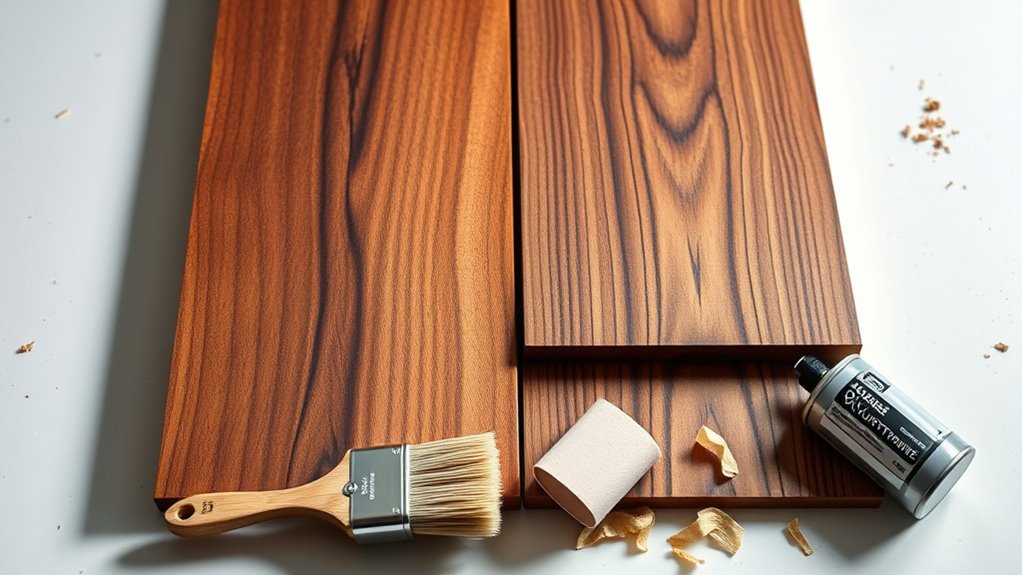
If you’ve ever stood in the wood finish aisle feeling overwhelmed by options, you’re probably familiar with the polycrylic versus polyurethane dilemma.
Both protect wood surfaces, but they’re quite different animals.
Think of these finishes as cousins in the wood protection family—related but with distinctly different personalities and strengths.
Polycrylic is fundamentally a water-based acrylic finish that dries crystal clear. It’s what you’d call the gentler option—low odor, fewer VOCs, and honestly pretty forgiving to work with.
Polyurethane, on the other hand, comes in both water and oil-based varieties. It’s tougher, more durable, though oil-based versions can amber over time.
We think of polyurethane as the heavy-duty choice for demanding projects.
Durability and Performance Comparison
It’s just tougher, plain and simple.
You’ll find polyurethane handles heavy foot traffic, scratches, and daily wear much better than polycrylic.
That said, polycrylic isn’t exactly fragile. It’ll protect your furniture and cabinets just fine for normal use.
But if you’re finishing a dining table or hardwood floors, polyurethane’s superior durability becomes pretty obvious.
Perhaps the trade-off is worth considering though—polycrylic’s easier application might outweigh the durability difference for some projects.
VOCs, Odor, and Safety Differences
While toughness matters, you’ll probably notice the smell before anything else when opening these cans. Oil-based polyurethane hits you with strong fumes that can cause dizziness—we think most people underestimate how intense it gets.
Water-based poly’s better, but still needs ventilation.
Polycrylic’s the clear winner for safety:
Polycrylic stands out as the safest choice when you’re concerned about indoor air quality and family health.
- Low VOCs – considerably fewer harmful compounds released
- Minimal odor – you won’t need to evacuate the house
- Non-toxic formula – safer around kids and pets
Perhaps the biggest difference is you can work with polycrylic indoors without feeling lightheaded. Oil-based poly requires serious ventilation planning.
Indoor Vs Outdoor Applications
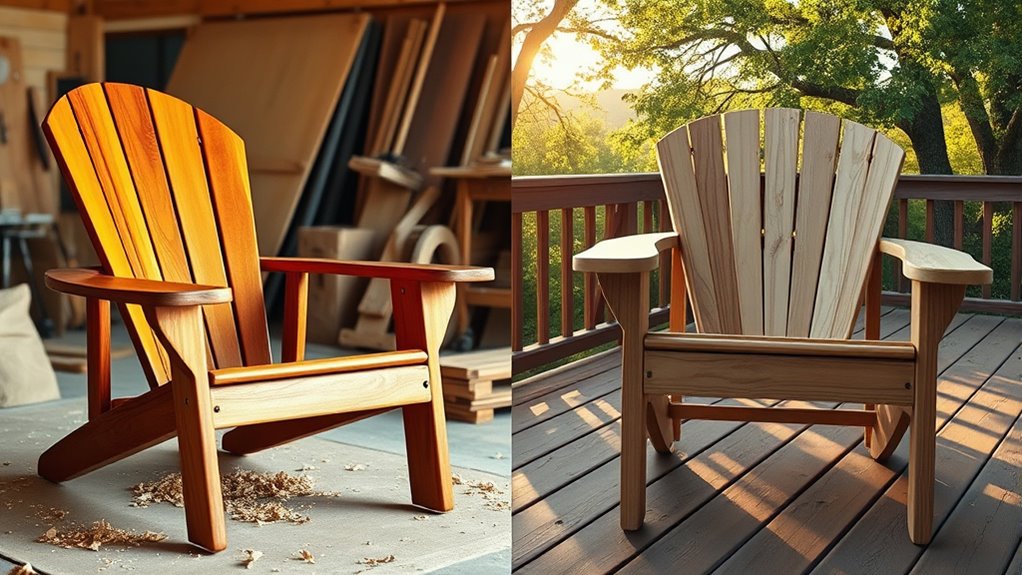
Location makes all the difference when choosing between these finishes—though we’d say this is where the decision becomes pretty straightforward. If you’re working outdoors, polyurethane’s your only real option since polycrylic simply can’t handle weather exposure.
| Application | Polycrylic | Polyurethane |
|---|---|---|
| Indoor furniture | Excellent | Good |
| Outdoor decks | Not suitable | Ideal |
| High-traffic floors | Perhaps adequate | Best choice |
For indoor projects, you’ve got flexibility. Polycrylic works beautifully on cabinets and lighter woods, while polyurethane handles demanding areas better. We think the choice often comes down to your specific needs rather than hard rules.
Application Methods and Clean-Up Requirements
Application technique matters more than you might expect—Many woodworkers notice beautiful wood projects ruined by poor finish application.
Both polycrylic and polyurethane can be applied using brushes, rollers, or sprayers, though we think each has its quirks.
Polycrylic’s runny consistency makes large projects challenging—perhaps stick to smaller pieces.
Polyurethane requires more patience to avoid air bubbles and dust particles.
Application tips:
- Apply thin, even coats rather than thick ones
- Sand lightly between coats for better adhesion
- Work in well-ventilated areas, especially with oil-based polyurethane
Clean-up varies dramatically.
Polycrylic and water-based polyurethane wash away with soap and water, while oil-based polyurethane demands mineral spirits.
Choosing the Right Finish for Your Project
The key is matching your finish to your project’s specific needs.
For high-traffic areas like floors, polyurethane’s durability wins every time.
But if you’re working with light woods or need something quick-drying for indoor furniture, polycrylic might be your better bet.
Consider your timeline too—polycrylic dries faster, though perhaps that’s not always necessary for every project.
Frequently Asked Questions
Can You Apply Polycrylic Over Polyurethane or Vice Versa?
You shouldn’t apply polycrylic over polyurethane or vice versa because they have different chemical compositions and bonding properties. The layers won’t adhere properly, causing peeling, bubbling, or an uneven finish on your project.
How Long Do Polycrylic and Polyurethane Finishes Typically Last?
While neither finish will grace your surfaces forever, you’ll typically enjoy polyurethane’s protection for 10-15 years with proper care, while polycrylic offers 5-10 years of reliable service before requiring renewal.
What Happens if You Apply Too Thick a Coat?
If you apply too thick a coat of polycrylic, you’ll get a milky, cloudy finish that won’t dry properly. With polyurethane, thick coats create bubbles, streaks, and uneven drying that ruins your project’s appearance.
Can These Finishes Be Tinted or Colored Before Application?
While most finishes can’t be tinted, you can add compatible stains or dyes before application. However, you’ll compromise clarity and potentially affect drying times. It’s better to stain wood first, then apply your chosen clear protective finish.
How Do You Repair Scratches or Damage in Cured Finishes?
You’ll need to sand the damaged area lightly, clean it thoroughly, then apply thin coats of the same finish type. For deeper scratches, use progressively finer grits before reapplying the protective coating.
Related guides: Water vs. Oil Polyurethane: The Ultimate Showdown · Ultimate Deck Stain Applicator Showdown · Spraying Polyurethane